



Cava Mestres Centenary Pairing Menu | Mexico City
The appointment was set for one o’clock sharp. From that moment until 6:00 PM, time unfolded without interruption over five continuous hours—an experience built on calm, precision, and absolute attention to detail. This was the essence of the Cava Mestres Centenary Pairing Menu at Quintonil, Mexico City.
Quintonil, located in Polanco, is currently one of the great benchmarks of global gastronomy. Created by Chef Jorge Vallejo and Front-of-House Director Alejandra Flores, the restaurant boasts two Michelin stars, a permanent fixture on The World’s 50 Best Restaurants list, and numerous international accolades. Its cuisine represents a contemporary interpretation of Mexican ingredients—refined, technical, and deeply respectful of their origins.
Within this space, an exceptional experience took place, remarkable for both its duration and ambition: a collaborative menu where five Michelin-starred restaurants from Mexico and Spain entered into a dialogue with a historical selection from Cava Mestres, a house with over a century of work focused on longevity, patience, and respect for time.
Guest Restaurants: Territories, History, and Distinctions
Quintonil – Mexico City | ⭐⭐ Michelin
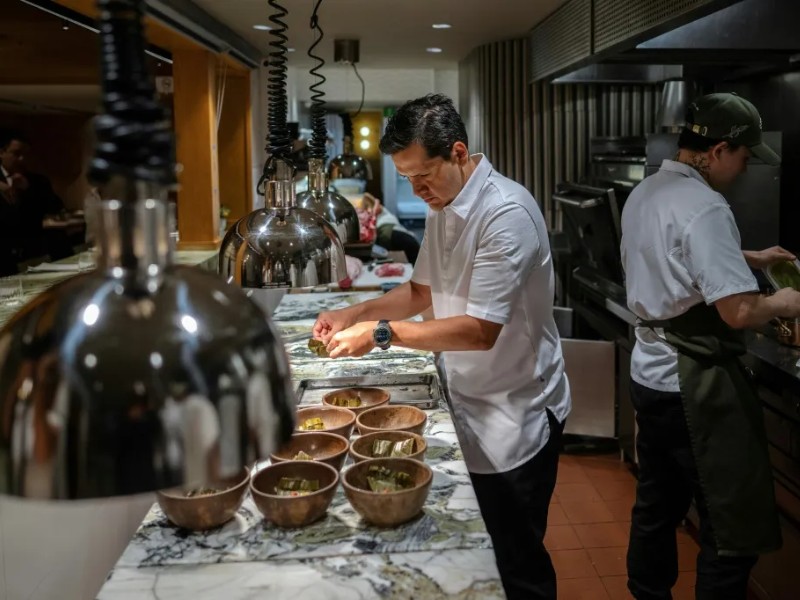
Chef: Jorge Vallejo
Hosting in his own home, Vallejo maintained the identity-driven axis of the menu. His dishes—Tepotzotlán Lettuce with sikil pak and Battered Escamoles with tomato and guajillo broth—reaffirmed Quintonil’s ability to translate deeply Mexican ingredients into a precise, restrained language of international haute cuisine.
ABaC – Barcelona, Spain | ⭐⭐⭐ Michelin
Chef: Iñaki Aldrey
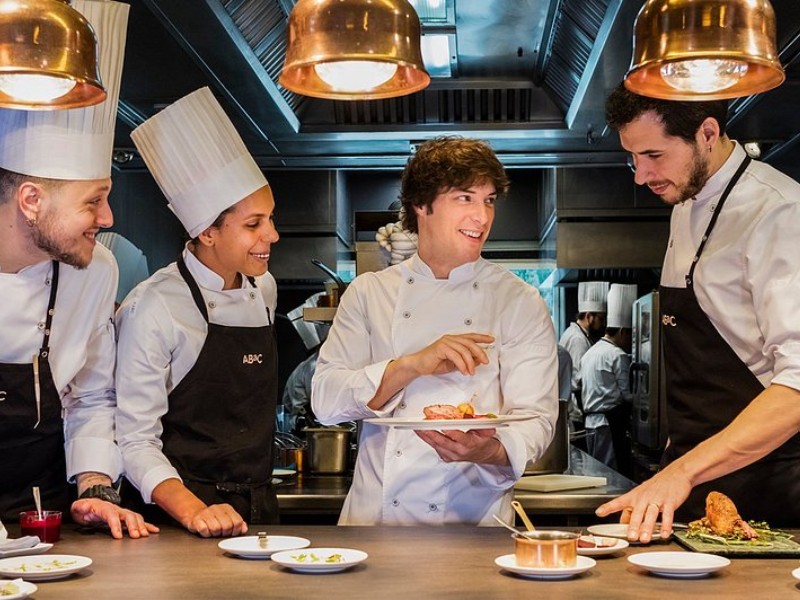
Located in Barcelona, ABaC is one of the great temples of contemporary European gastronomy. With three Michelin stars, its cuisine is distinguished by technical refinement and a modern take on classic flavors. The Melon with Ham and the Textured Roasted Vegetables (Escalivada) with Smoked Sardine, paired with L’Assemblatge 13-14-16 GR, marked an elegant and perfectly calibrated start.
Culler de Pau– O Grove, Galicia, Spain | ⭐⭐ Michelin
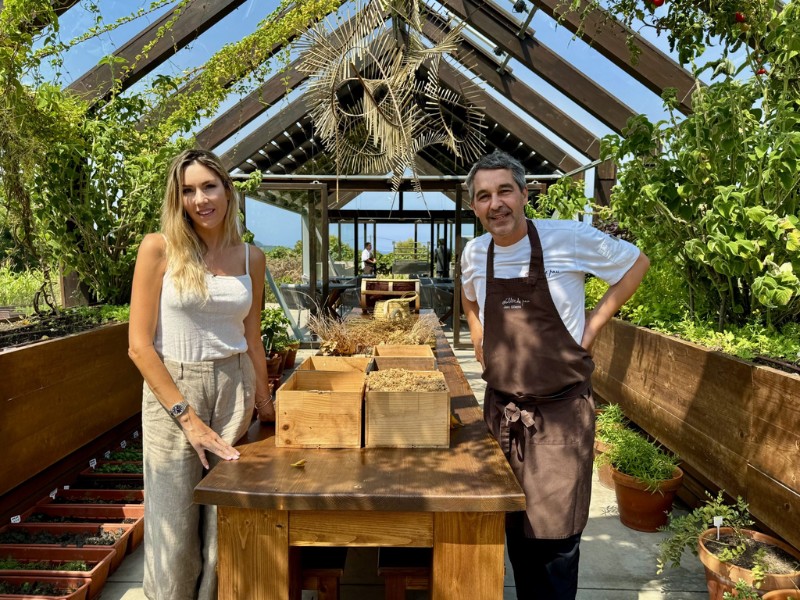
Chef: Javier Olleros
In the heart of the Galician landscape, Culler de Pau has built a cuisine deeply tied to its environment. The Galician-style Scallop and the Swiss Chard with Three Broths showcased a style of cooking where product and seasonality are the absolute protagonists, accompanied by historic cavas that expanded their depth.
Casa Marcial – Arriondas, Asturias, Spain | ⭐⭐⭐ Michelin
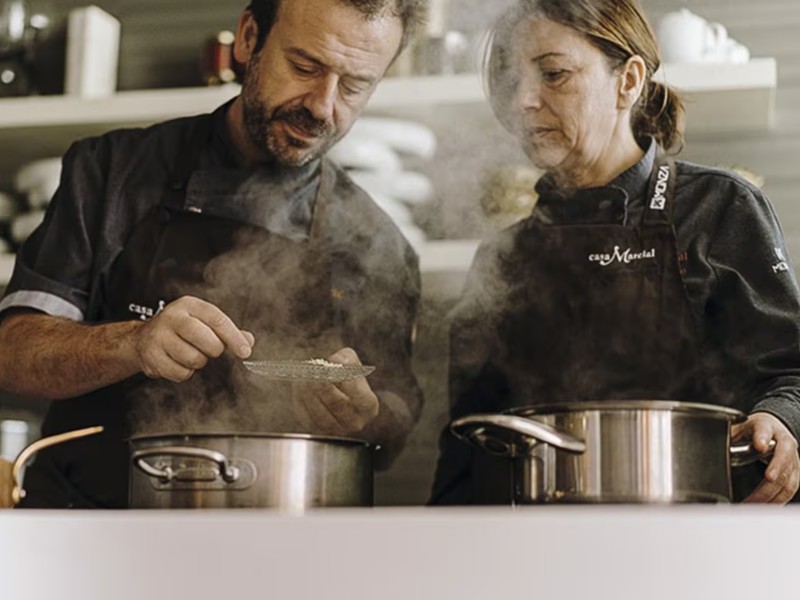
Chef: Mariano Espinosa
Set in a rural Asturian environment, Casa Marcial is one of Spain’s most iconic restaurants. Under the direction of Mexican chef Mariano Espinosa, the house maintains a cuisine of enormous technical precision and a strong connection to the landscape. The Grilled Green Beans with Hake Essence and the Trout with River Aroma were clear examples of this philosophy: clarity, concentration, and absolute respect for the product.
Barro – Ávila, Spain | ⭐ Michelin
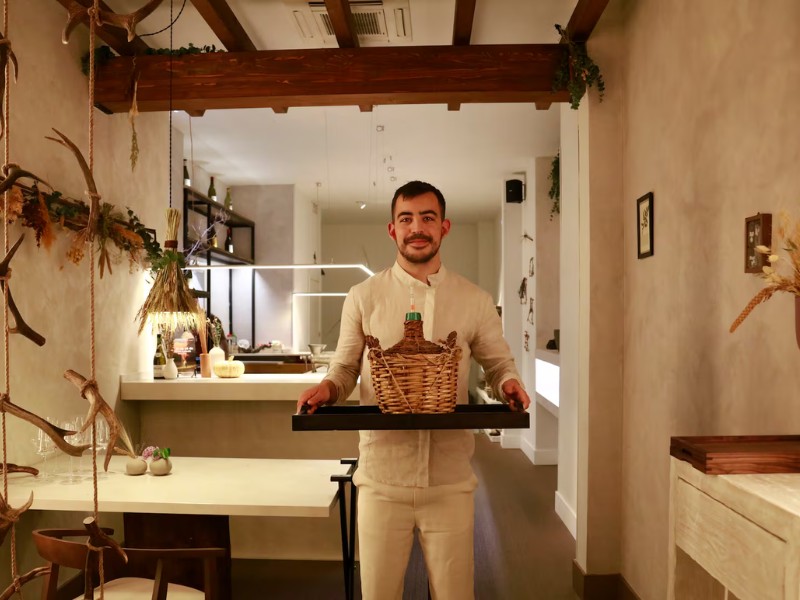
Chef: Carlos Casillas
Barro is a project that combines memory, creativity, and contemporary sensibility. The Mussel «Tigre» and the Pumpkin, Vanilla, and Cacao Mucilage Macarons provided texture, depth, and a constant dialogue between tradition and modernity.
EMi – A Coruña / Galicia, Spain | ⭐ Michelin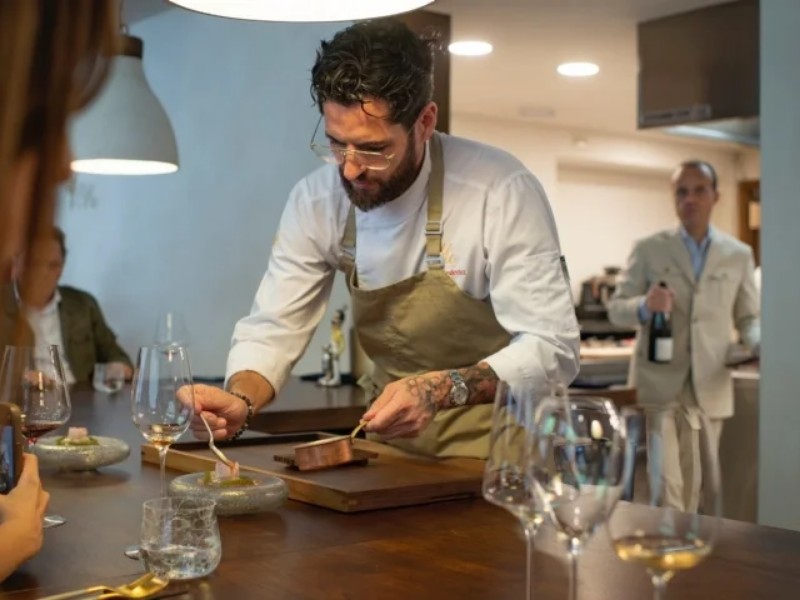
Chef: Rubén Mosquero
Representing an introspective and well-constructed cuisine, EMi’s contributions—the Foie Gras Flan with Lobster, Mushrooms, and Duck and the closing Matcha, Truffle, Ceps, and Shio Kombu—pushed the menu into more complex and reflective registers, perfectly supported by long-aged cavas.
The Pairing: Great Names and New Generations
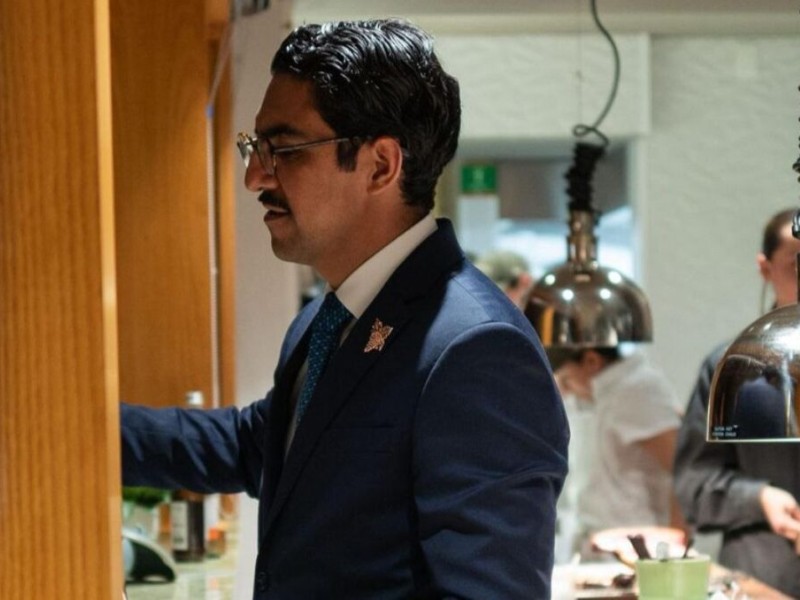
The caliber of the pairing was a central pillar of the experience. From Quintonil, sommeliers Jesús Ixta and Héctor Gómez participated—both representatives of a new generation of wine service in Mexico: solid technique, precise reading, and a notable sensitivity to pace an extensive experience without losing rhythm.
From Casa Marcial, sommelier Joan Manclús brought a profound vision regarding the role of wine in high-demand restaurants and its relationship with territory-driven cuisine.
The afternoon also featured Miguel Ángel Millán, recognized as the World’s Best Sommelier in 2023. His presence was felt through his contagious joy, warmth, and technical mastery, reminding everyone that service at the highest level can also be human and approachable.
The general orchestration of the pairing was led by Johan Valderrábano, Mestres’ representative in Mexico. His work has been key in the positioning of Mestres cavas, clearly explaining the importance of time, disgorgement dates, and bottle evolution.
The Tasting: A Narrative of the Cavas
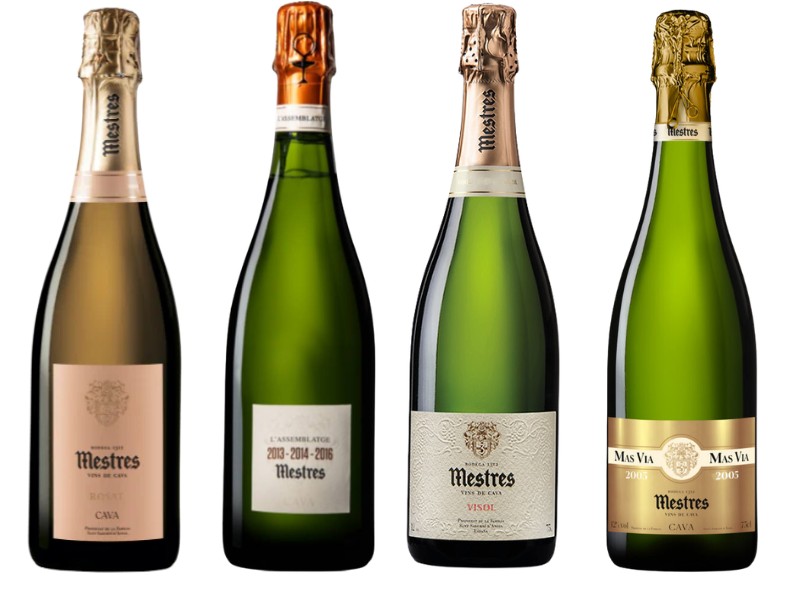
ROSAT GR
The start was light, fresh, and thoughtful. It arrived as a friendly welcome: notes of fresh red fruit, a hint of citrus, and fine bubbles that awakened the palate without overstepping. It was the opening of the conversation.
L’Assemblatge 13-14-16 GR
This is where depth began to emerge. This blend of vintages felt more serious and enveloping, with aromas of fine toast, ripe apple, and dried fruits. On the palate, it was creamy and long—elegant without demanding immediate attention.
VISOL 2018 BN – Jeroboam
Served in large format, this wine had something special from the moment it hit the glass. Vertical, pure, and direct. Its ripe white fruit and mineral sensation made it feel surgical—a wine that aligns perfectly with delicate vegetable profiles.
Cava Mas Via 2005 GR 23 – Magnum
Here, the cava began to speak of time. Notes of bakery, roasted apple, and a slight salinity made it tremendously gastronomic. It had body yet remained agile. It just worked.
Elena de Mestres 2020
After so many years in the bottle, this younger label was a breath of fresh air. Fresh, direct, and lively. It served as a transition, reminding us that Mestres masters both extreme longevity and vibrant, modern expression.
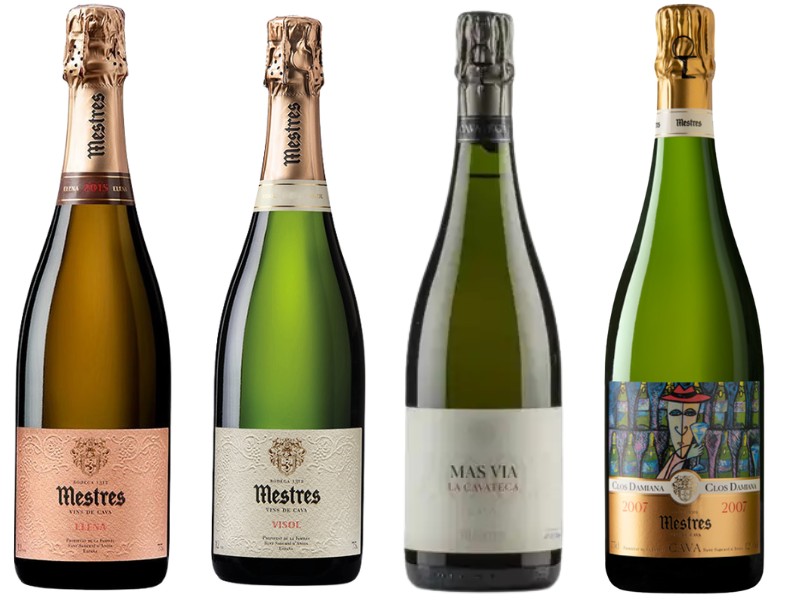
Cavateca Mas Via 2000 GR/22 – Magnum
Now we entered the «major leagues.» This wine showed layers: dried fruit, fine honey, and a depth that opened slowly. It was broad and persistent, with a structure that held up to high-intensity dishes.
Clos Damiana 2009 GR
One of the most balanced moments of the journey. Everything was in its place: ripe fruit, brioche notes, and a persistent freshness. It didn’t shout; it simply advanced with constant elegance.
Cavateca Mas Via 2002 – Disgorged 2022
Round and expressive. It felt «ready,» with deep bakery notes and an enveloping texture. Perfect for complex dishes where the wine must sustain the conversation.
Cavateca Mas Via 2002 – Disgorged 2025
The same wine, but a different story. Here, there was more tension, more nerve. Comparing the two was a practical—and delicious—lesson on the effect of disgorgement and the passage of time.
Cavateca 1985 GR 22 – Magnum
An emotional highlight. Deep, silent, and full of nuances: truffle, damp earth, and fine honey. And yet, surprisingly alive. A cava to be sipped slowly, almost with reverence.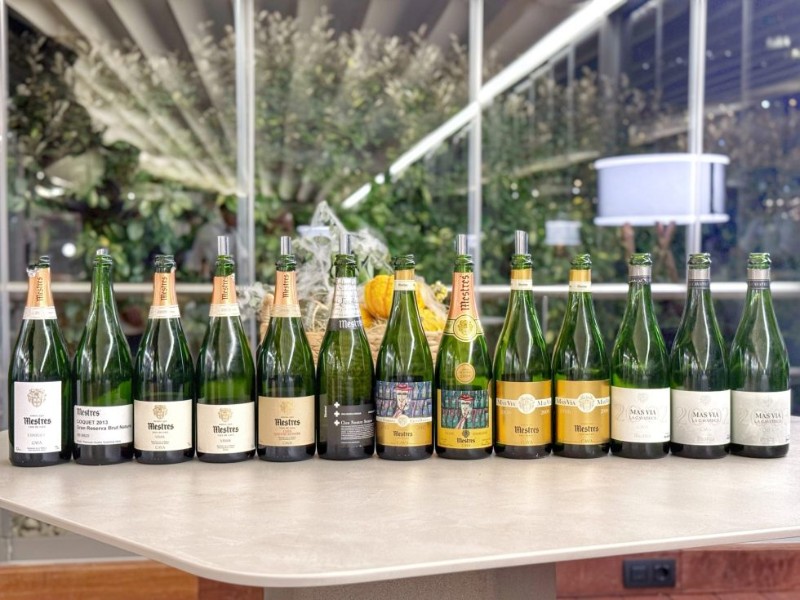
Clos Damiana 2012 GR 25 – Magnum
Elegant and precise. Roasted apple and herbal notes with an admirable freshness for its age. It walked long and steady on the palate.
Cavateca Mas Via 1997 GR 21 – Magnum
Time was felt clearly here. Deep, enveloping, and dry, with a sense of full maturity. This wasn’t a «quick» wine; it was one to stop for and listen to.
Cavateca Mas Via 2003
Friendlier and rounder, with well-integrated acidity. It worked perfectly as a transition toward the sweeter dishes without losing the house’s signature dry character.
Cavateca Mas Via 1998
The close was long and reflective. A complex wine with notes of truffle and dried citrus that lingered for minutes. A final note coherent with the entire experience: unhurried, without stridency, leaving a lasting memory.
You can also read: Press the button, are you dead?
